Project
La Cucaracha
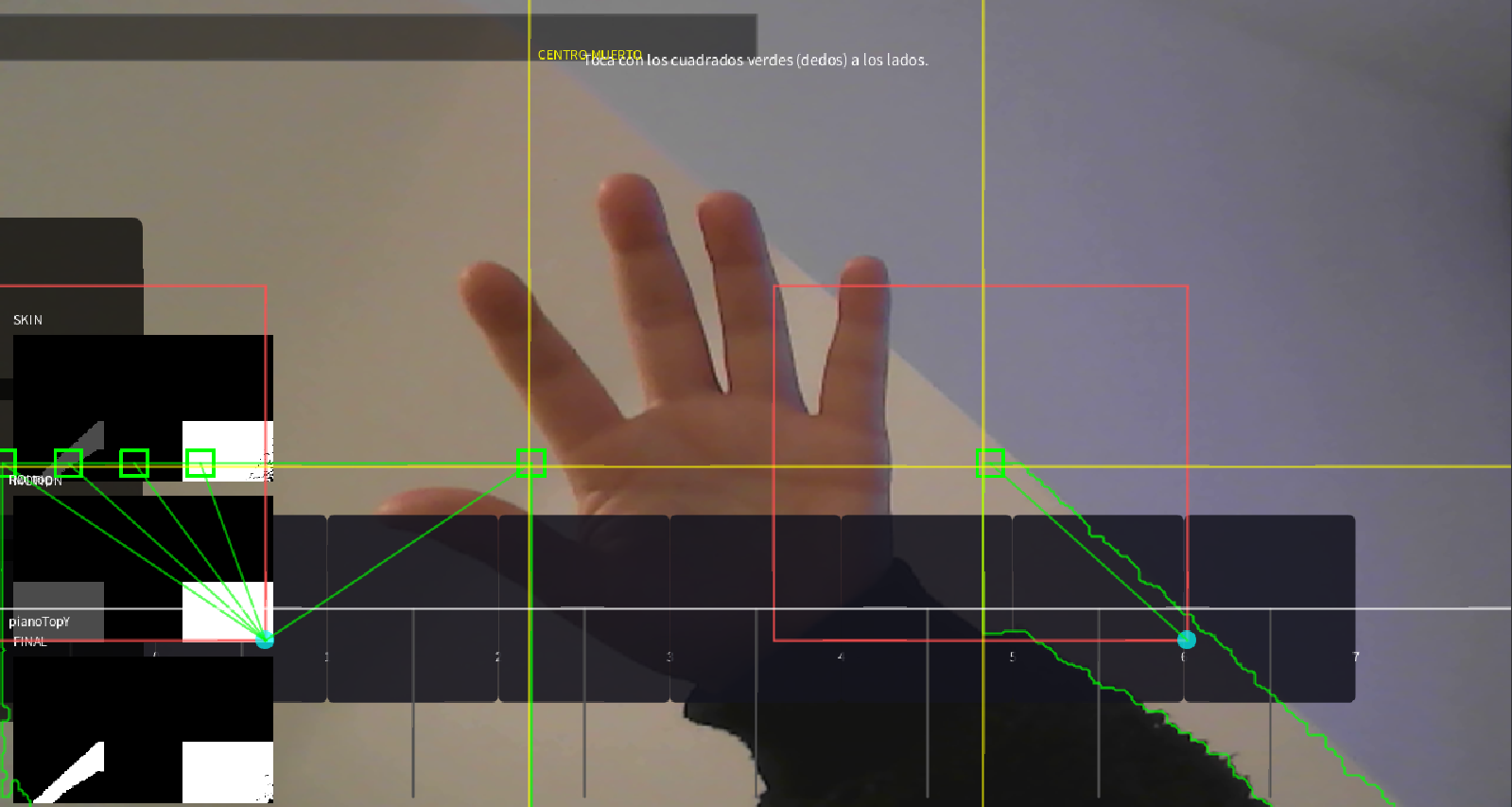
How to explore
- Play “La Cucaracha” on a digital piano.
- Choose between two verses (A or B) to sing.
- Unlock the historical background of the song.
“La Cucaracha is not merely a popular tune — can you play it?”
Which one do you prefer to sing?
Verse A
The cockroach, the cockroach
can no longer walk
because it doesn’t have,
because it’s missing, marijuana to smoke.
Verse B
The cockroach, the cockroach,
can no longer walk
because it doesn’t have,
because it’s missing, one leg to walk.
Why this song?
It is an echo that has crossed wars, empires, revolutions, migrations and centuries of cultural transformation. It has shifted from mockery to protest, from satire to political weapon, from folklore to international symbol.
History of La Cucaracha
- Origins: A traditional folk song of Spanish origin, later widely adopted in Mexico.
- Possible 15th-century roots (1492): Early versions appear during the conflict between Christians and Moors.
- 1859 & 1883: Included in major Spanish folk songbooks.
- Late 19th–early 20th century: The song evolves through political conflicts in Mexico.
- April 24, 1914: Rafael Sánchez Escobar popularizes it among revolutionary troops of Pancho Villa.
- Revolutionary period (1914–1915): Becomes a satirical anthem used by different factions.
- A popular revolutionary verse mocks President Victoriano Huerta, referencing drinking, health problems, and rumored drug use: “La cucaracha, la cucaracha, ya no puede caminar / porque no tiene, porque le falta, marihuana que fumar.”
Original song from 15th century
“Songs change because we change. What a society sings connects with its fears or resists. La Cucaracha is a mirror. And you have just looked into it.”
Read an excerpt (EN / ES)
English
From a Moor’s sideburns I must make a broom,
so that the Spanish infantry can sweep the barracks.
From the hide of the Moorish king I must make a sofa,
so that the Captain General may sit upon it.
From the ribs of a Moor I dare to build a bridge,
so that Spain may cross with its brave army.
Español
De las patillas de un moro tengo que hacer una escoba,
para que barra el cuartel la infantería española.
Del pellejo del rey moro tengo que hacer un sofá,
para que se siente en él el Capitán General.
De las costillas de un moro me atrevo a formar un puente,
para que pase la España y su ejército valiente.